

Carelon Research is improving the future of healthcare with trusted insights powered by evidence.
Carelon Research, a wholly owned, independently operating subsidiary of Elevance Health and key member of the Enterprise Analytics Core within Health Solutions, is a healthcare research company committed to improving the future of healthcare with trusted insights powered by evidence. Our Actionable Insights Committee provides relevant and impactful insights back to internal stakeholders including Health Solutions, CarelonRx, Elevance Health, and Carelon colleagues.For more information on a specific study or to connect with the Actionable Insights Committee, contact us at [email protected].
Dissemination and sharing of the Newsletter is limited to Elevance Health and its subsidiaries and included findings and implications are for Elevance Health and its affiliates’ internal use only.
Hub Domain(s): Immunology, oncology, costs of care, IngenioRx, policy guidance
Summary:
Hub Domain(s): COVID, member experience
Summary:
Figure 1: Impact of COVID-19 pandemic on accessing healthcare/mental healthcare

Compared to chemoimmunotherapy, first line use of ibrutinib in patients with…
Traditional analytical methods are no match for anaphylaxis, a rare but serious...

An exploration into use of immunoglobulins (IG), costly blood-derived products…

"Et harum quidem rerum facilis est et expedita distinctio!"

"Nam libero tempore, cum soluta nobis est eligendi."

"Temporibus autem quibusdam et aut officiis debitis!"
 |
Rising temperatures spark surge in medical visits
Findings from a recent study by Carelon Research underscore the need for proactive strategies to support at-risk populations during heat events.
READ MORE |
 |
Biosimilars on the rise in treatment of common cancers
Bevacizumab and trastuzumab are gaining traction, improving patient access and reducing costs in cancer treatment.
READ MORE |
 |
New study reveals notable differences between two leading skin cancer drugs
Members treated with pembrolizumab had increased adverse events, inpatient utilization, and healthcare costs compared to nivolumab.
READ MORE |
 |
Developing the optimal model for identifying colorectal cancer stage in claims
|
 |
Klinrisk model shows strong performance in identifying high-risk CKD patients in the US
The Klinrisk chronic kidney disease progression model has been validated in US populations, offering potential for early intervention and cost savings, and high accuracy across healthcare systems.
READ MORE |
 |
Data analysis uncovers variability in vaccine safety results across algorithms
Different case identification algorithms can significantly impact the reported incidence rates of outcomes related to pneumococcal vaccine safety.
READ MORE |
 |
Recent findings offer hope for children with multisystem inflammatory syndrome (MIS-C)
While most children hospitalized for MIS-C during the acute COVID-19 phase were critically ill, the vast majority experienced excellent recovery in both cardiac and overall health outcomes within six months.
READ MORE |
 |
eGFR monitoring crucial in managing chronic kidney disease progression
Tracking changes in eGFR can help identify rapid progressors of chronic kidney disease, paving the way for earlier interventions and improved outcomes.
READ MORE |
 |
Does this really work? Best practices for using real-world healthcare data to evaluate medical interventions
Existing guidance for the comparative assessment of medical interventions using real-world data is vast and complex. A new step-by-step guide from Carelon Research helps decision makers and researchers in the creation and evaluation of such studies.
READ MORE |
 |
New insights: Schizophrenia treatment and relapse patterns vary by payor type
Medicaid patients with newly diagnosed schizophrenia or schizoaffective disorder appear to have higher relapse rates particularly compared to other payor types.
READ MORE |
 |
Study highlights clinical inertia in implementing ADA diabetes care standards despite high guideline knowledge among clinicians treating patients with T2D
Many clinicians did not consistently apply recommendations, indicating a need for additional interventions beyond medical education to improve guideline-based care.
READ MORE |
 |
Uncovering disparities in breast cancer screening and opportunities for intervention
A new study reveals a noticeable 38% of eligible women in commercially insured health plans are skipping critical breast cancer screenings, a rate higher than the national average. The greatest gaps in screening rates are observed among the socio-economically disadvantaged and in certain geographic regions, highlighting the need for targeted interventions to increase awareness and access to screenings.
READ MORE |
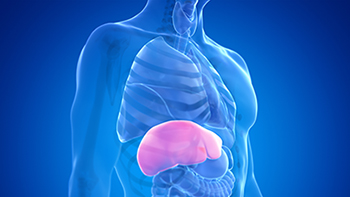 |
The hidden price tag: Unveiling underdiagnosed and costly Metabolic Dysfunction-Associated Steatohepatitis (MASH)
Metabolic Dysfunction-Associated Steatohepatitis (MASH), a progressive but often underdiagnosed disease, creates heavy clinical and economic burdens, especially in its advanced stages.
READ MORE |
 |
Apixaban emerges as efficient alternative to traditional anticoagulants in pediatric heart disease
Apixaban appears to be a safe and effective alternative to other treatments for preventing blood clots in children with congenital or acquired heart disease.
READ MORE |
 |
A preliminary investigation into the safety of three COVID vaccines in US children
While most health outcomes showed no concerns, the statistical signals found for myocarditis or pericarditis in 12–17-year-olds post Pfizer-BioNTech vaccination and for seizures in 2–5-year-olds post Pfizer-BioNTech and Moderna vaccinations demand further research.
READ MORE |
 |
A rising tide: ADHD medication prescribing in adults
Adult use of ADHD medications increased dramatically between 2017-2021. Even more concerning: one in five medication users did not have an ADHD diagnosis.
READ MORE |
 |
Health-related social needs and whole person health
Unmet health-related social needs (HRSNs) can be a barrier to achieving whole person health. Elevance Health developed a pilot survey to assess the prevalence of these needs among its affiliated health plan members in two states, and then linked respondents’ survey data with their claims data to evaluate how such needs relate to health, utilization, and spending.
READ MORE |
 |
Patients newly diagnosed with COPD face significant risk of death and cardiovascular events following moderate and severe exacerbations
In one of the first real-world studies of newly diagnosed COPD patients, researchers found an increased risk of death and cardiovascular events that persisted for up to two years following moderate and severe exacerbations and increased with each subsequent exacerbation.
READ MORE |
 |
Study finds medical device effective for treating life-threatening blood clots in the lung and leg
After the placement of the inferior vena cava filter, no fatal venous thromboembolisms occurred, and no pulmonary embolisms occurred in patients who received filters to prevent them.
READ MORE |
 |
Study highlights opportunity to reduce risk of adverse cardiovascular events among patients with atherosclerotic cardiovascular disease
A little lipids testing, and guideline-directed therapy compliance, can go a long way for people with atherosclerotic cardiovascular disease.
READ MORE |
 |
The COVID-19 pandemic isn't over for everyone: the silent burden for the immunocompromised
Though COVID-19 has become less severe for most people since the end of the pandemic, immunocompromised patients suffer from higher infection rates and a disproportionate health and economic burden.
READ MORE READ MORE |
 |
"No treatment” can be more costly than “any treatment” for patients with depression
Enabling faster access to psychotherapy, including via telehealth, is one possible solution to improving symptoms while generating cost savings.
READ MORE |
 |
Adherence to diabetes medications has significant clinical and economic advantages
For patients with type 2 diabetes, adherence to any non-insulin diabetes medication can help to reduce the risk of death and hospitalization. Adherence to dual therapy may also result in total cost savings.
READ MORE |
 |
Comparing the safety of a new hormone therapy to traditional hormone therapies for menopause symptoms among women in the US
A large, multi-database study shows conjugated estrogens/bazedoxifene (CE/BZA) users may experience higher rates of endometrial cancer and endometrial hyperplasia and lower rates of breast cancer than users of other medications for menopause symptoms.
READ MORE |
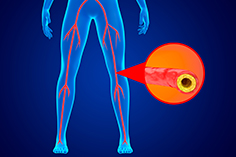 |
Study provides compelling evidence of best treatment option for patients with chronic limb-threatening ischemia
Results from an international, randomized controlled trial provide some of the first published evidence comparing two common options.
READ MORE |
 |
Impact of deductible levels in patterns of breast cancer care and outcomes during post-ACA era
Findings suggest deductible levels have little impact on breast cancer care during two years following diagnosis.
READ MORE |
 |
Are children with a history of MIS-C at greater risk of severe reaction from COVID-19 vaccine?
Common adverse reactions included arm soreness, fatigue, and fever, but no serious adverse events, such as recurrent MIS-C or myocarditis, were reported.
READ MORE |
 |
Adherence to inhaled COPD medications results in significant clinical and economic benefits
Adherence to COPD regimen resulted in an estimated average saving of $141 per patient per month in total costs in addition to improved survival and lower risk of hospitalization.
READ MORE |
 |
A comparison of death data from multiple sources and the National Death Index
Death data from a combination of sources including Elevance Health may prove to be a reliable source for advancing our research and understanding of treatments and mortality.
READ MORE |
 |
Study suggests erectile dysfunction medications can improve heart health
Despite fears of increased risk of serious heart complications and death, erecticle dysfunction (ED) medications appear to have a positive effect on heart health.
READ MORE |
 |
How do mortality data in the Healthcare Integrated Research Database compare to the gold standard?
Compared to the National Death Index, considered the gold standard of mortality data, the mortality data in the Healthcare Integrated Research Database (HIRD®) provides an accurate and more reliable assessment of death outcomes than any source alone.
READ MORE |
 |
The real-world value of nine targeted immune modulators for the treatment of rheumatoid arthritis
Of nine targeted immune modulators (TIMs) for the treatment of rheumatoid arthritis (RA), the two most expensive are also the most effective according to a real-world value assessment by Carelon Research.
READ MORE |
 |
Examining ocrelizumab sites of care and costs in real-world presents cost-saving opportunity in multiple sclerosis
The cost of a common multiple sclerosis (MS) drug varies widely across different sites of care. Administration of the medication at home or a physician office could result in significant cost savings and convenience for patients.
READ MORE |
 |
Risk of myocarditis and pericarditis after the COVID-19 mRNA vaccination: comparing mRNA-1273 (Moderna) and BNT162b2 (Pfizer)
Young men ages 18 to 25 are at greater risk of developing myocarditis/pericarditis following two mRNA vaccines, though the overall risk appears low and fairly similar across the two vaccine types.
READ MORE |
 |
COVID-19 is bad news for patients with type 2 diabetes mellitus (T2DM) and cardiovascular disease (CVD)
COVID-19 patients with a combination of T2DM and CVD are at significantly greater risk of severe disease and even death compared to those without these underlying health conditions.
READ MORE |
 |
Health outcomes and costs associated with second line use of diabetes treatments
Despite lower healthcare resource utilization and better HbA1c outcomes, compared to other diabetes drug classes, second-line use of GLP-1 inhibitors following metformin monotherapy was more costly and resulted in lower medication adherence and persistence.
READ MORE |
 |
Pediatric Heart Network (PHN) and Carelon Research researchers develop ‘Z Score’ calculator for assessment of pediatric cardiovascular diseases
Varying scoring systems used for measuring pediatric heart development make it difficult to evaluate and treat children with genetic and acquired heart diseases. A Z-score by PHN and Carelon Research can help set the average straight and help clinicians understand the effects of factors such as age, sex, race, and ethnicity on heart measurements.
READ MORE |
 |
Carelon Research researchers develop pregnancy algorithm critical for maternal and infant health outcomes research
This algorithm will assist Carelon Research and Elevance Health in assessing drug safety during pregnancy, developing best practices and protocols, and improving services and costs through refined policies.
READ MORE |
 |
Real-world evidence supports NCCN guidelines recommending against first-line use of chemoimmunotherapy (CIT) in high-risk chronic lymphocytic leukemia (CLL)/small lymphocytic lymphoma (SLL) patients
First-line use of CIT for patients with genetic abnormalities in CLL/SLL, a cancer of the blood and bone marrow, resulted in significantly higher risk of treatment failure, next line of treatment initiation, and higher costs.
READ MORE |
 |
Real-world treatment patterns associated with new antidiabetic drug provide insights on clinician efforts to optimize type 2 diabetes (T2D) therapy
Once-weekly semaglutide (Ozempic; sema OW) is being initiated further down the T2D treatment pathway and predominantly being used as an add-on therapy to existing antidiabetic medications. It seems to help some patients decrease their overall T2D medications.
READ MORE |

An exploration into use of immunoglobulins (IG), costly blood-derived products accounting for millions in annual spending in the Elevance Health affiliated health plan membership, reveals substantial...
READ MORE
Obtaining access to healthcare and medications can feel like an uphill battle for patients with major depressive disorder (MDD) highly impacted by COVID-19.
READ MORE
Compared to chemoimmunotherapy, first line use of Ibrutinib in patients with chronic lymphocytic leukemia (CLL)/small lymphocytic lymphoma (SLL), a cancer of the blood and bone marrow, can lead to lower costs without...
READ MORE
Traditional analytical methods are no match for anaphylaxis, a rare but serious reaction to certain drugs and vaccines that can be difficult to find in a sea of administrative...
READ MORE